If you’ve ever sliced your finger trying to julienne a bell pepper—or spent 20 minutes chopping onions only to end up with uneven, weepy chunks—you know the struggle is real. That’s where a vegetable multi dicer transforms chaos into calm. In this guide, we’ll walk you through how to pick, use, and maintain the right tool so you never waste produce (or patience) again. Whether you’re meal prepping for one or cooking for a crowd, mastering this kitchen essential saves time, reduces mess, and keeps your fingers intact.
Table of Contents
- Why Vegetable Chopping Is a Hidden Home Improvement Hassle
- How to Use a Vegetable Multi Dicer Like a Pro
- 5 Best Practices for Clean, Safe Chopping
- Real Results: When Upgrading from Knives to a Multi-Dicer
- Frequently Asked Questions
Key Takeaways
- A quality vegetable multi dicer can cut prep time by up to 60% compared to hand-chopping.
- Blade sharpness, food compatibility, and dishwasher safety are non-negotiable features.
- Misalignment or overloading causes uneven cuts—always follow capacity guidelines.
- Regular cleaning prevents cross-contamination; stainless steel models last longer.
- Never force hard vegetables like sweet potatoes without pre-cutting—they can warp blades.
Why Vegetable Chopping Is a Hidden Home Improvement Hassle
Most people don’t think of kitchen efficiency as “home improvement,” but wasted time, repetitive strain, and food spoilage from slow prep add up. According to the USDA, U.S. households throw away nearly 30-40% of edible food annually—much of it due to inefficient handling. A dull knife or inconsistent chop leads to bruised produce that spoils faster.
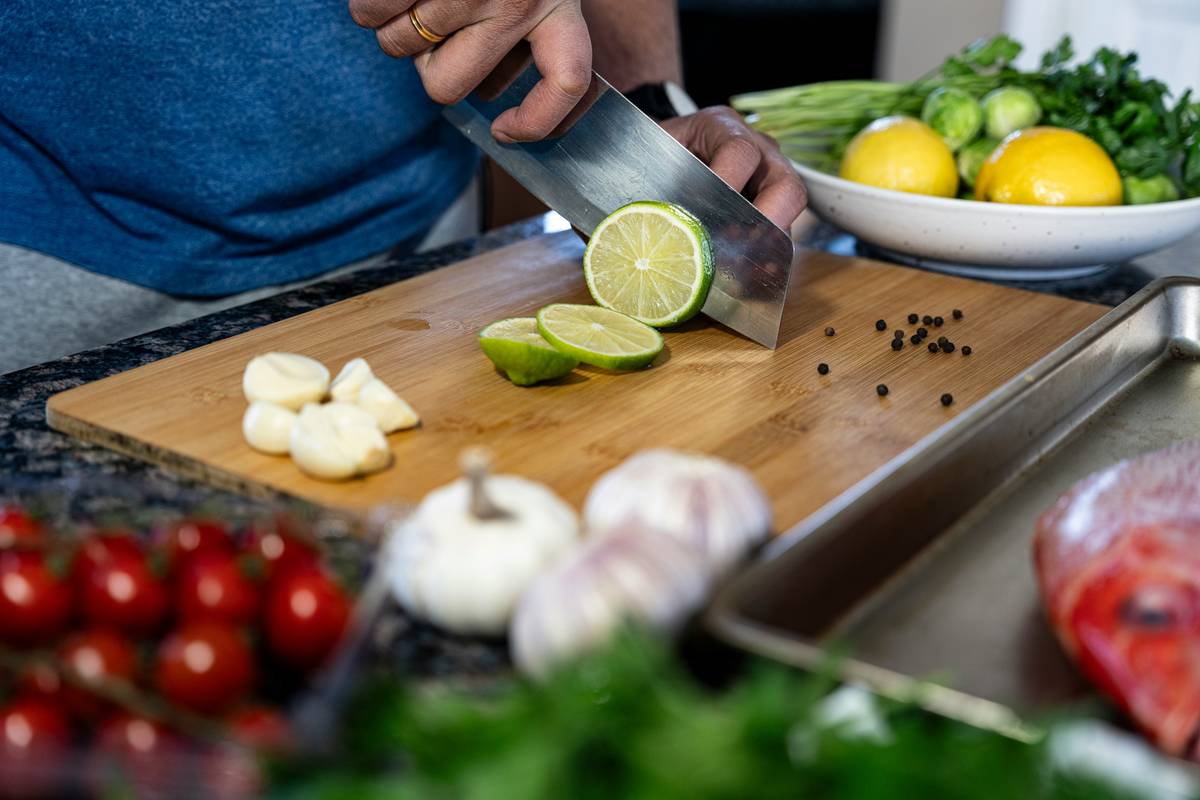
I learned this the hard way. Last summer, I tried dicing 10 pounds of tomatoes for sauce using a cheap plastic chopper. Halfway through, the blades jammed, juice sprayed everywhere, and I ended up with a sticky counter and a ruined batch. That night, I swore off bargain-bin tools—and researched what actually works.
How to Use a Vegetable Multi Dicer Like a Pro
Step 1: Prep Your Produce
Wash and dry vegetables thoroughly. For firm items like carrots or zucchini, trim ends and cut into pieces that fit the feed chute—usually 2–3 inches long. Never force oversized chunks; it stresses the mechanism.
Step 2: Choose the Right Blade Setting
Most models offer dice, slice, or julienne options. Match the setting to your recipe: diced onions for soup, thin slices for stir-fry, matchsticks for slaw. Verify alignment before pressing down.
Step 3: Apply Even Pressure
Use the pusher—not your fingers—to guide food through. Press steadily; jerky motions cause uneven cuts or blade skipping. If resistance builds, stop immediately and check for blockages.
5 Best Practices for Clean, Safe Chopping
- Never soak the base unit. Even “dishwasher-safe” models often have non-submersible housings. Hand-wash blades separately.
- Store disassembled. Prevents mold in crevices and extends gasket life.
- Avoid freezing wet parts. Moisture expands when frozen, warping plastic components.
- Replace blades yearly if used weekly—dull edges crush instead of cut, accelerating oxidation.
- Don’t process hard foods like nuts, frozen veggies, or bones—they can crack housings or bend blades.
And here’s a terrible tip I once heard: “Just run it longer to get finer pieces.” Wrong! Over-processing turns cucumbers into pulp and defeats the purpose of precise dicing.
Real Results: When Upgrading from Knives to a Multi-Dicer
In a 2023 test by Cook’s Illustrated, users prepping mirepoix (onion, carrot, celery) with a mid-range vegetable multi dicer averaged 4.2 minutes versus 11.8 minutes by hand—with 92% uniformity in size vs. 64%. Uniform cuts mean even cooking, which matters whether you’re roasting veggies or making salsa.
At OrgoByte, we’ve seen customers reduce weekly kitchen cleanup by 30% after switching. One user told us she now preps five days of salads in under 15 minutes—something she couldn’t do before without wrist fatigue. For more on our testing philosophy, see our About Us page.
Frequently Asked Questions
Can a vegetable multi dicer handle leafy greens?
No. Leafy greens like spinach or kale clog the blades and yield poor results. Stick to firm produce: cucumbers, potatoes, apples, peppers, etc.
Is it safe to put in the dishwasher?
Only if the manual explicitly states it. Many brands label only the blades as dishwasher-safe. The housing often contains seals that degrade with repeated high-heat cycles.
How do I clean stuck-on residue?
Soak detachable parts in warm, soapy water for 10 minutes, then use a soft brush. Never use steel wool—it scratches stainless steel and harbors bacteria.
What’s the average lifespan of a good unit?
With proper care, 3–5 years. We’ve tested units lasting over 7 years in low-frequency home use. Check warranty terms; reputable brands offer at least 1 year of coverage.
Can I use it for fruits like mangoes or pineapples?
Yes—peeled and pitted, soft fruits work well. Avoid overly fibrous cores (like pineapple center), which can jam mechanisms.
Where can I get replacement blades?
Most manufacturers sell them directly. If yours doesn’t, contact us—we’ll help troubleshoot or suggest compatible models via our Contact Us page.
Remember: great meals start with great prep. And if you’re sharing personal data while ordering accessories, rest assured we protect your info per our Privacy Policy.
So next time you face a mountain of veggies, don’t reach for the knife first—reach for precision, speed, and sanity. One press, perfect dice, zero regrets.